
Ever wished you could study rare coins up close without risking damage—or spending a fortune? That’s exactly where coin replicas come in. They are just as useful for beginners as a free coin value checker and ANA guides. They give collectors a safe, affordable way to explore history, practice authentication skills, and build visual sets long before investing in the real thing.
Replicas look and feel like genuine coins but come clearly marked, making them perfect for education, displays, and hands-on learning. For beginners and experienced numismatists alike, they open the door to deeper understanding while protecting original coins from wear. If you’re looking to grow your skills and collection with confidence, replicas might be one of the smartest tools you add to your hobby.
Educational and Display Purposes
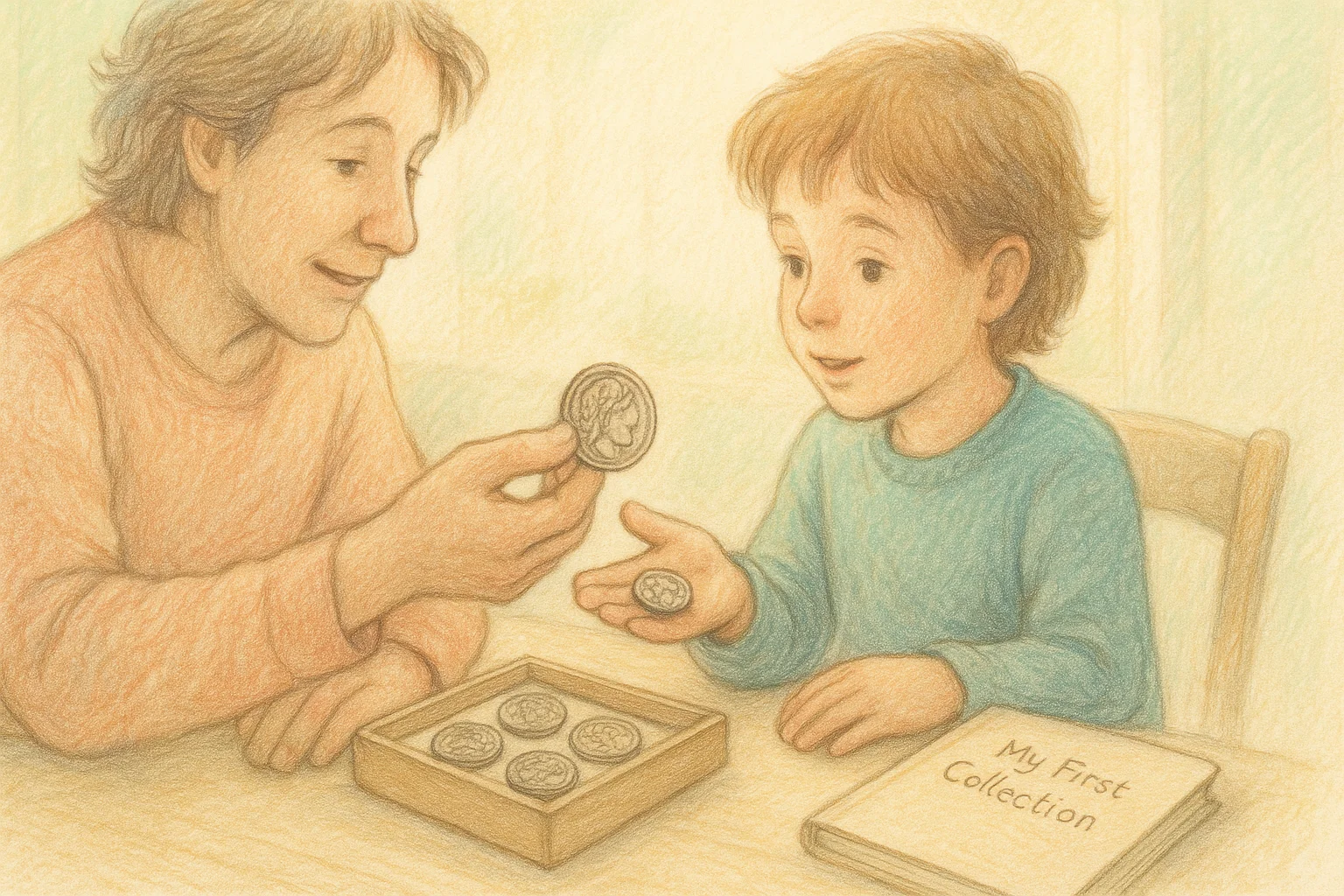
One of the most common uses for replicas is education. Classrooms, historical societies, and museums rely on replicas to give students and visitors a tactile understanding of world history. Handling a Roman denarius or an ancient Chinese cash coin creates an experience far more engaging than viewing images in a textbook. Because replicas cost a fraction of the original, institutions can provide interactive lessons without the risk of damaging priceless artifacts.
Replicas also strengthen home displays. Collectors often hesitate to expose genuine pieces to light, humidity, or accidental handling. Using replicas solves that problem. A full set of historically significant coins—including rare or unobtainable types—can be arranged beautifully while the true originals remain secure in slabs or vault storage.
Examples of effective display use include:
- Creating thematic timelines (e.g., Greek to Roman to Byzantine).
- Demonstrating changes in minting techniques across centuries.
- Allowing visitors to compare weights and shapes safely.
- Highlighting iconic coins that rarely appear in general collections.
These applications turn replicas into teaching tools and artistic pieces simultaneously.
Budget-Friendly Collection Building
Replicas also appeal to collectors who want to explore new themes without committing large budgets upfront. Enthusiasts can begin type sets, region-specific collections, or historical sequences for very low cost—often under $10 per coin. This makes replicas perfect starting points for:
- Ancient Greek and Roman sets
- Medieval and Byzantine groups
- Early Chinese or Japanese coinage
- World silver crowns and trade coins
As knowledge grows, collectors can gradually replace replicas with certified originals, building expertise before investing significant funds.
Modern tools enhance this process. The free coin identifier and value app helps verify replica attributes by comparing photos to a catalog of world’s coins. Collectors can check composition, weight, edge type, and basic specifications to understand how replicas differ from genuine issues. This prevents mix-ups and ensures clarity when adding new pieces to digital inventories.
Practice Authentication Skills
Collectors improve fastest through comparison and repetition. Replicas provide a controlled way to practice without the financial risk attached to handling expensive originals. By studying replicas alongside genuine pieces, collectors learn to recognize subtle details that define authenticity.
Useful skill-building methods include:
- Weight comparison: observing how authentic coins balance against replica counterparts.
- Surface evaluation: studying luster, strike strength, and color to identify natural vs. artificial finishes.
- Edge and rim inspection: checking milling patterns and thickness variations.
- Sound or “ping” tests: listening for differences in resonance.
- Metal testing: experimenting with safe detectors or XRF comparisons without damaging real items.
Replicas also carry clear markings, such as “COPY”, which help collectors understand how legitimate reproductions differ from deceptive counterfeits. This hands-on practice improves confidence when evaluating coins at estate sales, local shops, or auctions.
Digital tools enhance this training. A coin identifier app for Android with cataloging features allows users to:
- Photograph a coin
- Compare it with verified reference data
- Read details such as mint year, metal composition, diameter, and weight
- Review how replicas differ from genuine entries
This structured practice gradually builds an expert eye.
Gifting and Everyday Use
Replicas also shine in casual or everyday settings where real coins might be at risk. They can be shared, displayed, or worn freely.
Common real-life uses include:
- Holiday gifts: perfect for introducing children or beginners to the hobby.
- Decorative displays: framed sets, travel-themed collages, or historical timelines.
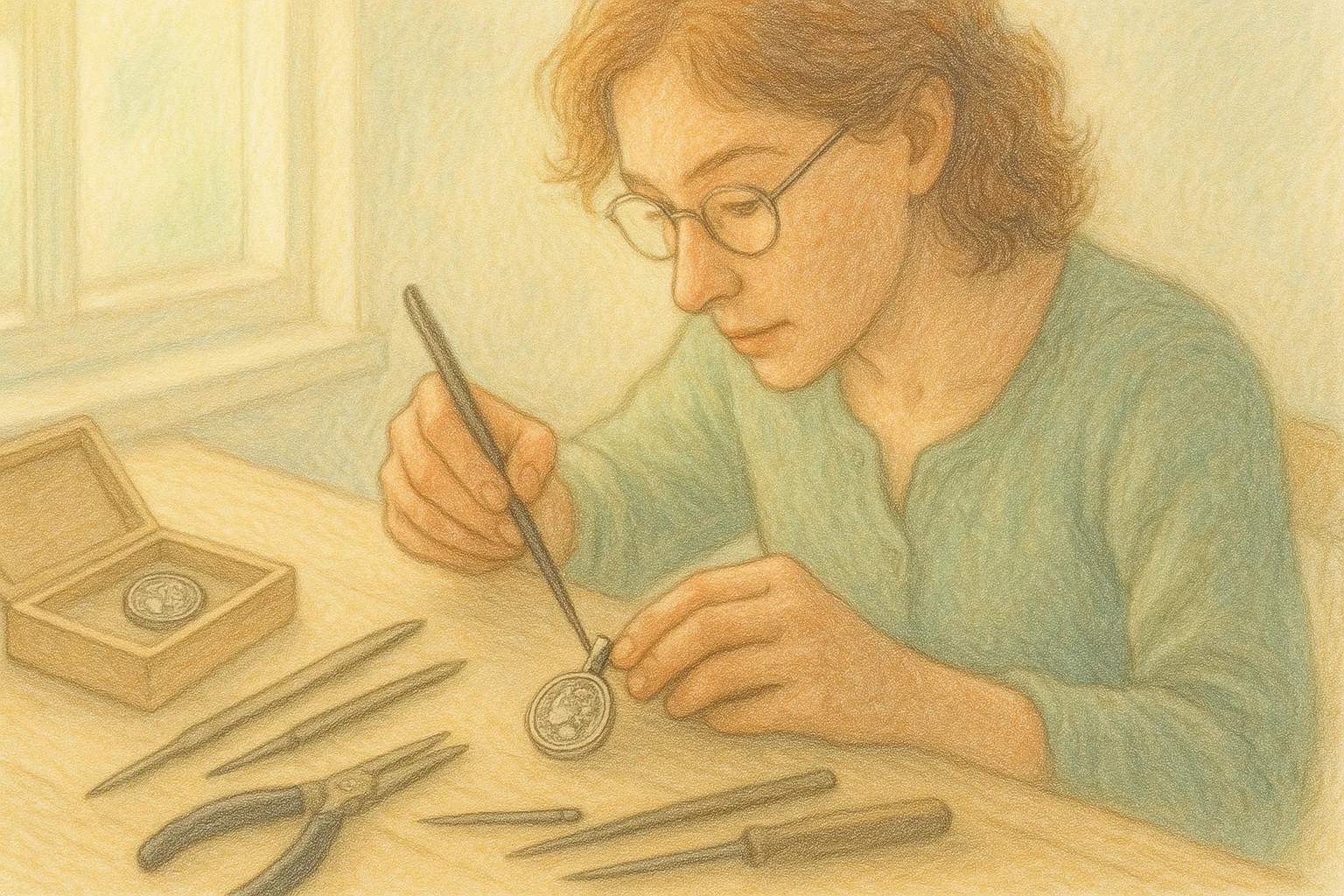
- Jewelry settings: replica coins in necklaces, rings, or bracelets without fear of damaging genuine pieces.
- Props: safe handling for photography, exhibitions, or reenactments.
- Teaching demonstrations: easy to pass around during lectures or workshops.
Collectors often keep replicas on desks, shelves, or keychains as conversation pieces. This broadens interest in the hobby while protecting real, high-value coins from scratches, fingerprints, or exposure.
For organization, it is important to document replicas separately. Keeping them in a dedicated section of digital inventories prevents confusion with certified holdings. Apps with collection management features support this process by tagging items and storing notes.
Legitimate Replicas vs Counterfeits: What Is The Difference?
Authentic replicas follow clear ethical and legal standards. They mimic design elements for educational use but do not hide their reproduction status.
Legitimate replicas typically include:
- A “COPY” stamp or similar marking
- Certificates or documentation from the maker
- Accurate but non-exact metal compositions
- Clear labeling in packaging or product descriptions
Counterfeits, on the other hand, aim to deceive. They often lack markings, use misleading alloys, or imitate original weights and dimensions too closely. These pieces enter circulation through online marketplaces, estate sales, or secondary dealers and pose risks for collectors who are still building their authentication skills.
A simple comparison helps:
| Feature | Legitimate Replica | Counterfeit |
| Marked “COPY” | Yes | No |
| Intention | Educational, display | Deception for profit |
| Metal Content | Varies | Often misleading |
| Market Value | Low, transparent | Artificially inflated |
| Safety for Collectors | High | High risk of loss |
Choosing replicas from reputable manufacturers ensures clarity and prevents confusion when cataloging your collection.
Tools and Techniques to Verify Replicas Safely
Collectors can use replicas as calibration points for devices and tools commonly used in authentication.
Effective methods include:
- Comparing replica weights to documented standards
- Testing ping tones to understand metal resonance differences
- Using sigma or XRF testers to confirm alloy contrasts
- Studying strike details under magnification
- Reviewing PCGS and NGC guides alongside replica sets
This process strengthens your ability to identify inconsistencies quickly—an advantage when shopping at shows or estate sales.
Digital tools add another layer of protection. Apps like Coin ID Scanner help collectors compare photos of replicas and genuine coins side-by-side. The app displays mint years, composition, edge type, diameter, and weight, offering a quick reference during verification or cataloging.
Coin replicas are practical, versatile, and educational. They help collectors grow skills, protect investments, and enjoy the hobby more freely. When sourced responsibly and documented clearly, replicas:
- Support safe hands-on learning
- Improve authentication expertise
- Add visual depth to displays
- Introduce new collectors to numismatics
- Protect original coins from handling wear
By integrating replicas into your collecting routine—alongside proper cataloging, digital tools, and smart storage—you create a confident and well-rounded approach to numismatics. They are not substitutes for genuine pieces but valuable companions in building knowledge, shaping collecting plans, and preserving the integrity of your main collection.